
Exploring the psychology behind why people love casinos
The Thrill of Risk and Reward
Casinos are often filled with the scent of anticipation and excitement, attracting millions of visitors each year. The allure of risk and the potential for a substantial reward create an adrenaline rush that many find irresistible. This thrill is rooted in psychological principles that explain why individuals are drawn into the world of gambling. The excitement of possibly winning money often overshadows the reality that, for many, gambling is a perilous endeavor that can lead to financial losses.
The concept of risk-taking is integrated into our evolutionary psychology. Humans have always engaged in risky behaviors for survival, and this instinct can translate into modern-day thrill-seeking activities, such as gambling. According to studies, the brain releases dopamine during rewarding activities, which contributes to feelings of pleasure and reinforces the desire to repeat those activities. This biochemical response motivates individuals to seek further thrilling experiences. For many casino-goers, this leads to a cycle of entertainment as they chase the euphoric feeling associated with winning, often returning time and again in pursuit of that fleeting high.

Moreover, the unpredictability of gambling adds to its allure. Players are often drawn to the idea that each spin of the wheel or roll of the dice could result in a life-changing moment, which feeds into their excitement and motivates continuous play. This anticipation, mixed with the hope of a big win, creates a complex emotional experience that is unique to casino environments.
The Social Aspect of Gambling
Beyond the thrill of winning, casinos provide a vibrant social environment where individuals can connect and interact with others. The communal aspects of gambling encourage social bonding, whether through shared games or friendly conversations at the tables. Casinos can serve as social hubs where guests celebrate victories together or commiserate over losses, fostering a sense of solidarity and shared experience.
Furthermore, the designs of many casinos facilitate interactions among patrons, often featuring open layouts, communal tables, and accessible drink stations, all contributing to a lively atmosphere. Social gaming events, such as tournaments and themed nights, invite players to participate and engage with others, enhancing their overall experience. This social interaction can be especially appealing to those who may feel isolated in their everyday lives, creating a sense of belonging and camaraderie that keeps them coming back.
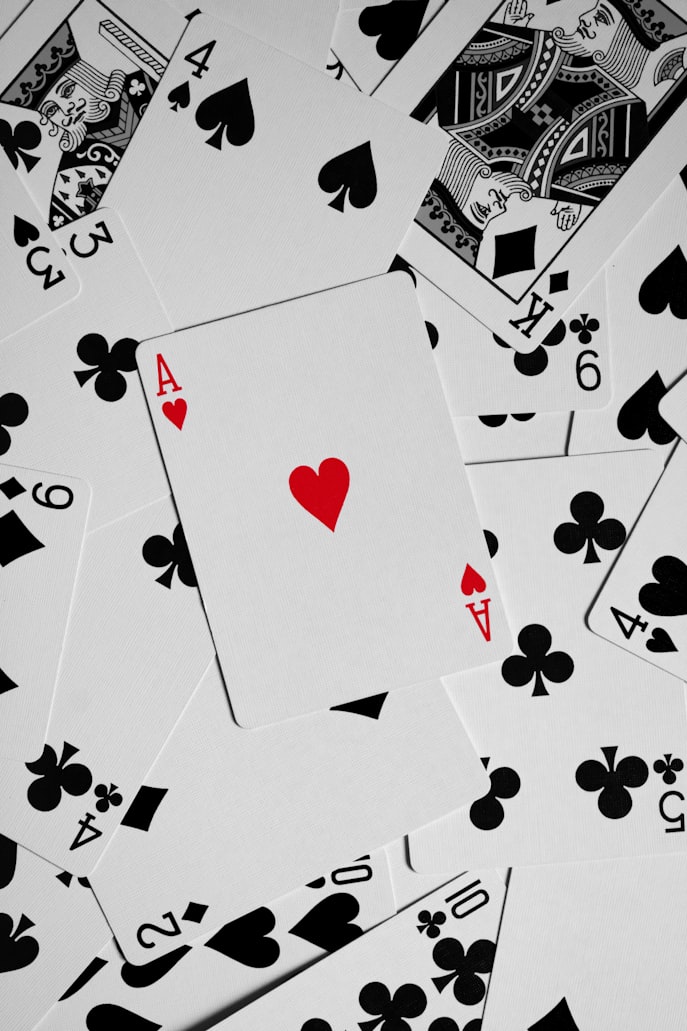
Additionally, strong social connections formed in these settings can lead to friendships that extend beyond the casino walls. Many people find themselves returning not just for the games but also for the people they meet. This interconnectedness underscores the significance of social experience in the allure of gambling, marking it as an integral aspect of why individuals are drawn to casinos.
The Allure of Escape
For many, casinos offer an escape from the pressures of everyday life. In a world filled with responsibilities and stressors, the environment of a casino provides a temporary reprieve. The bright lights, vibrant sounds, and immersive settings pull individuals into a world where their worries can momentarily fade away. This escape can be particularly appealing during difficult times, making casinos a chosen refuge for some.
The psychological concept of escapism ties closely to this phenomenon. Engaging in activities that allow individuals to disconnect from reality offers them a sense of relief and happiness. Casinos provide this outlet, allowing patrons to immerse themselves in a fantasy world filled with excitement and possibility. The suspension of reality, combined with the thrill of gaming, creates an environment where stress can be forgotten, making it a powerful attraction.
While this escape can be beneficial in moderation, it is essential for individuals to be aware of the risks and challenges that can accompany such indulgences. Over-reliance on gambling as a coping mechanism can lead to deeper issues, including addiction and financial problems. Becoming mindful of such dynamics is vital to enjoying casinos responsibly and maintaining a healthy balance in life.
Cognitive Biases and Gambling Behavior
Various cognitive biases significantly influence gambling behavior and deepen the love many people have for casinos. One of the most prevalent is the illusion of control, where individuals believe they can influence or predict the outcome of games, despite their random nature. This mindset can lead to overconfidence in one’s gambling abilities and a willingness to continue playing, even after experiencing multiple losses. The thrill of believing in one’s control reinforces the desire to gamble.
Another common bias is the availability heuristic, where people underestimate the likelihood of losing because they often remember wins more vividly. This skewed perception can lead to a misguided optimism that encourages further gambling, often against better judgment. The allure of the big win overshadows a realistic understanding of odds and probabilities, which increases engagement with gambling activities.
Understanding these biases offers insight into why individuals continue to flock to casinos, despite the inherent risks involved. The interplay of cognitive distortions and emotional responses makes it difficult for some to step away, reinforcing the cycle of gambling behavior. Awareness of these trends can lead to more informed decisions about gambling activities and encourage players to practice caution.
Conclusion: The Fascination with Casinos
In summary, the passion for casinos can be attributed to a blend of psychological factors, including the thrill of risk, social interaction, the allure of escape, and cognitive biases. These elements converge to create an exciting environment that captivates countless individuals. Whether sought for entertainment, social engagement, or a way to escape reality, casinos continue to hold a unique place in popular culture. As long as these psychological elements remain intact, the fascination with casinos is unlikely to diminish.
For those interested in exploring this dynamic world, resources such as parimatch casino india provide avenues to engage with the vibrant casino experience, whether online or offline. Understanding the psychology behind why we are drawn to these spaces not only enhances our experiences but also encourages responsible engagement with gambling activities. It is essential for individuals to maintain a conscious approach to gambling, ensuring that their experiences remain enjoyable and safe. By striking a balance, patrons can make the most of their casino adventures while keeping the potential risks in mind.